What Is Longjing Tea?
Longjing tea (龙井茶, Lóngjǐng chá) — known in English as Dragon Well tea — is widely considered China's most famous green tea. It has been grown in the hills west of Hangzhou's West Lake for over 1,200 years, and it remains the tea most associated with Chinese tea culture both inside and outside the country.
The name comes from a village and a well: Longjing Village, nestled in the hills above West Lake, where a natural spring was said to resemble a dragon's movement in the water. The tea grown on these hillsides became tribute tea for Chinese emperors — and today, authentic West Lake Longjing is still one of the most sought-after teas in the world.
What makes Longjing distinctive is not just the taste — it's the connection between the tea and the specific landscape it comes from. The misty hills, the mineral-rich soil around West Lake, and centuries of cultivated expertise combine to produce something that simply cannot be replicated elsewhere. This is terroir in its purest form, long before the French had a word for it.
What Makes Longjing Tea Special
Longjing is traditionally described by four qualities — known as the "四绝" (Four Perfections): green colour (色绿), rich aroma (香郁), sweet taste (味甘), and beautiful shape (形美). When you see properly made Longjing, the flat, spear-shaped leaves are immediately recognisable.
Pan-fired, not steamed. Unlike Japanese green teas, which are steamed to stop oxidation, Longjing is pan-fired by hand in a hot wok. This is what gives it its signature toasted, chestnut-like flavour — smooth and sweet rather than grassy and vegetal. The process involves ten specific hand movements, and a skilled tea master can produce leaves that are perfectly flat, evenly coloured, and free of any bitterness.
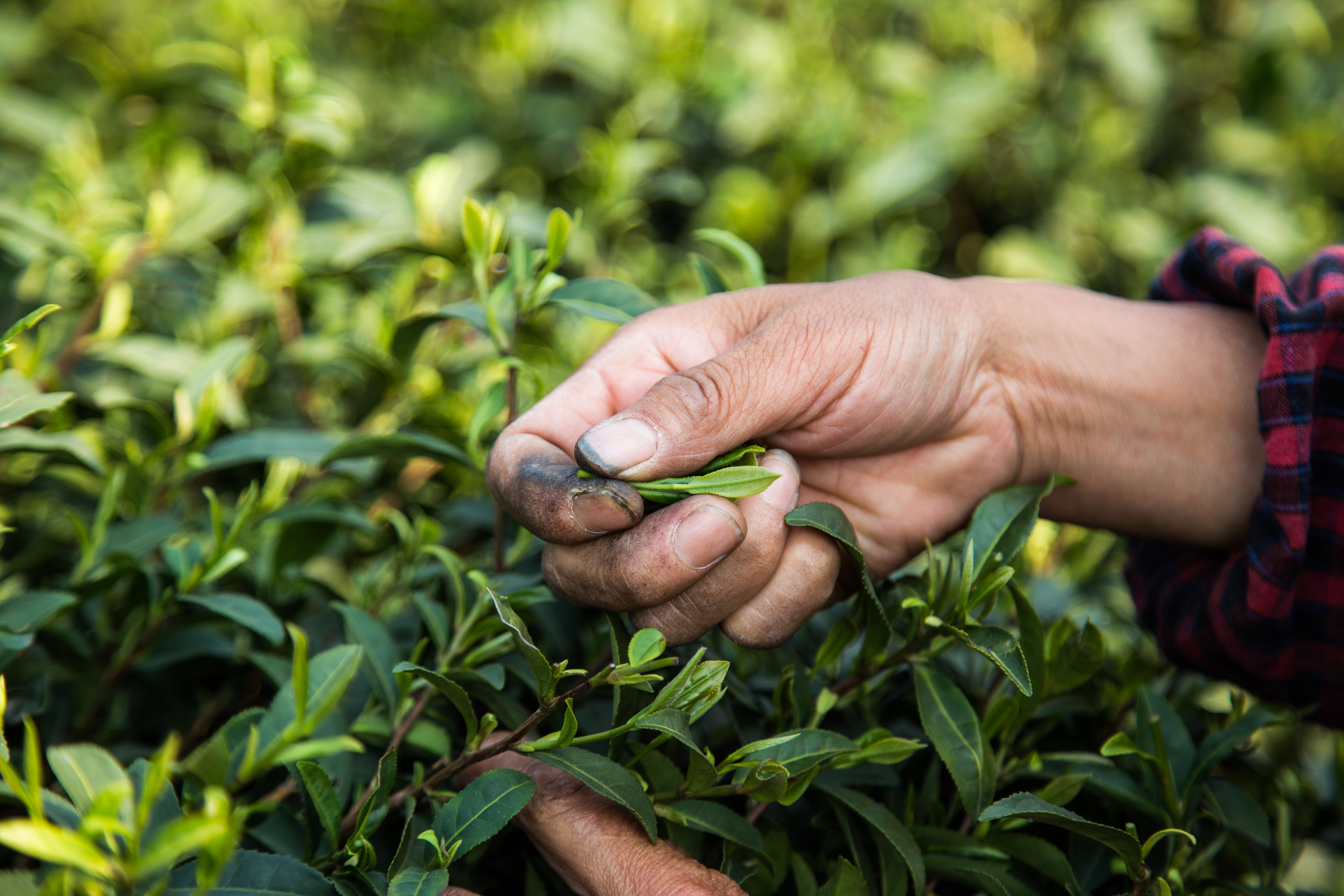
Pre-Qingming tea is the prize. The most valued Longjing is harvested before the Qingming Festival (清明, around April 5). These early-spring leaves — known as 明前茶 (míng qián chá) — are the smallest, most tender buds of the year. It takes approximately 36,000 individual buds to produce a single jin (500 grams) of pre-Qingming Longjing. This is why the best Longjing commands prices that make most Western tea drinkers do a double take.
Production areas matter. Historically, West Lake Longjing was classified into four growing areas: 狮 (Shifeng), 龙 (Longjing), 云 (Yunxi), and 虎 (Hupao). Shifeng is considered the finest. Today, the broader distinction is between West Lake Longjing (西湖龙井) — grown within the designated West Lake production zone — and Qiantang Longjing (钱塘龙井), which is grown elsewhere in Zhejiang province. Both are real Longjing, but they differ in price and prestige the way Champagne differs from sparkling wine.
Visiting the Tea Villages: Longjing and Meijiawu
The best way to understand Longjing tea is to visit where it grows. Two villages in the hills west of West Lake are the heart of the tea-growing region, and both are open to visitors year-round for free.
Longjing Village (龙井村) is the original — a compact settlement of around 800 residents surrounded by approximately 800 mu (53 hectares) of terraced tea gardens. The village is where the name comes from, and it's where the famous Eighteen Imperial Tea Trees (十八棵御茶) stand — the specific bushes said to have been designated by Emperor Qianlong himself. Walking through the village in spring, when the terraces are bright green and the air smells of fresh tea, is one of the most distinctive sensory experiences Hangzhou offers.
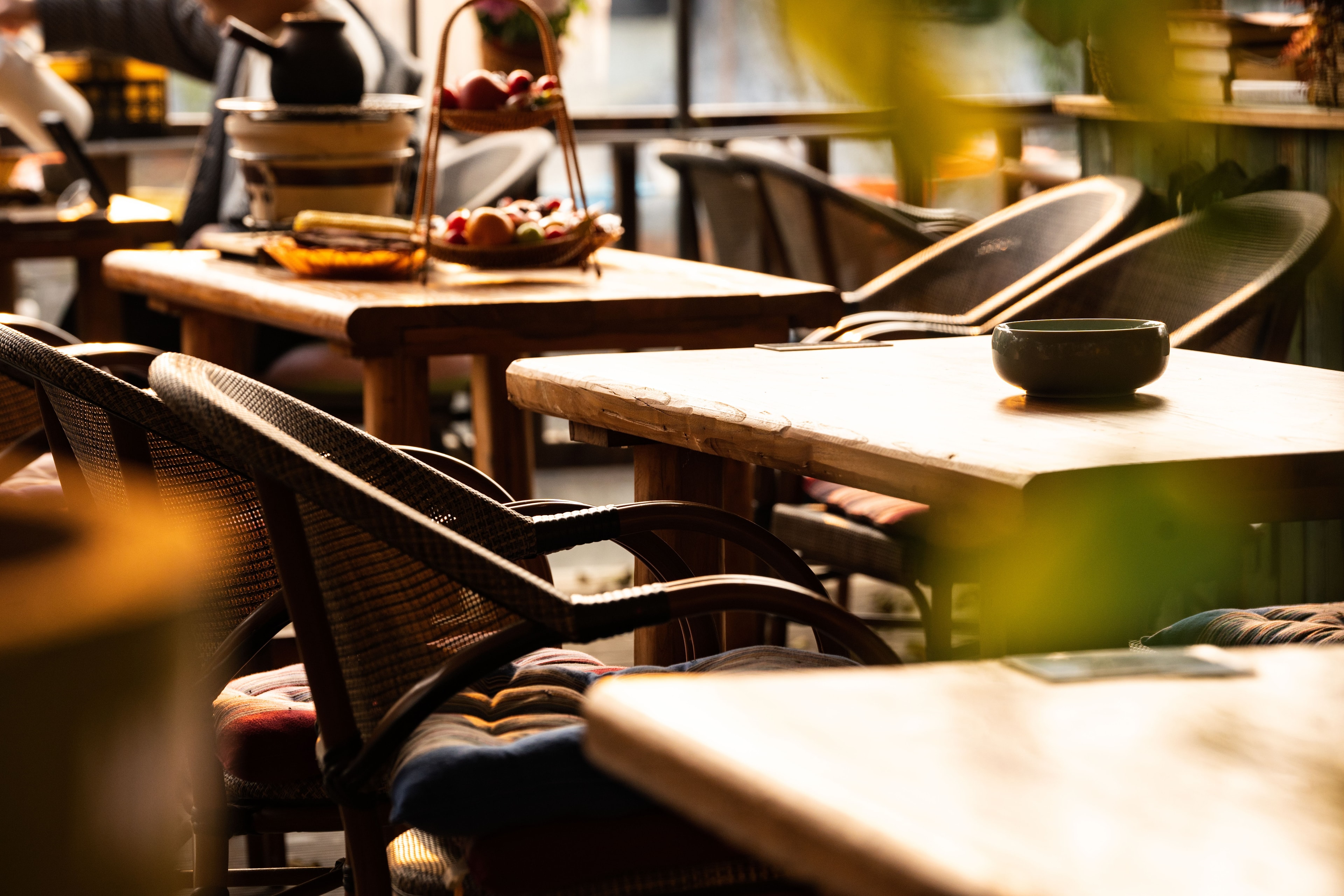
Meijiawu (梅家坞) is the larger of the two tea villages, stretching along Meiling Road in what locals call "十里梅坞" — ten li of tea. Meijiawu is more spread out than Longjing Village, with tea houses, family-run restaurants, and working plantations lining the road. It's where many Hangzhou residents go on weekends for a slow afternoon of tea and countryside food.
Both villages are free to enter and walk around. You can sit down at nearly any tea house, order a cup of freshly brewed Longjing (typically ¥10–80 depending on grade), and watch the tea gardens from your seat. In spring, some plantations offer tea-picking experiences where you can join the harvest and learn basic processing techniques.
The hills between Longjing Village and Meijiawu are connected by old mountain paths that have been used to transport tea between settlements for centuries. Our Where Tea Rang Through the Hills tour follows these paths — a scenic hike through the tea terraces, followed by hands-on tea picking, traditional tea frying with a local expert, and a tasting of tea you've made yourself.
The China Tea Museum: Two Locations, One Story
The China Tea Museum (中国茶叶博物馆) is the only national-level museum in China dedicated entirely to tea — and it has two locations in the Longjing tea area, each offering something different.
Shuangfeng (双峰馆区) at 龙井路88号 is the original museum, opened in 1991. It houses five exhibition halls covering tea history, tea varieties, tea tools, tea customs, and tea preparation. If you want to understand the full scope of Chinese tea culture — not just Longjing, but all of it — this is where to start. The museum sits in a 4.7-hectare garden setting that feels more like a park than a museum.
Longjing (龙井馆区) at 翁家山268号 is the newer, larger campus opened in 2015, covering 7.7 hectares. It's connected to the Shuangfeng location by the historic "Emperor Qianlong Trail" (乾隆御道) — the same path the Qing emperor used when he visited the tea fields.
Both are free to enter. Weekdays require only an ID; weekends need a reservation. Hours are 9:00–16:30 (last entry 16:00), closed Mondays.
If you're visiting the tea villages, the Shuangfeng campus is on the way and worth 45 minutes to an hour. Seeing the context before walking the tea terraces makes the landscape more meaningful.
Buying Longjing Tea: What to Know
This is where most visitors need honest advice — because buying tea in the tea villages is not as straightforward as it looks.
If you walk through Longjing Village or Meijiawu, locals will approach you to offer tea tastings and sell you their leaves. This isn't aggressive — it's simply how the tea economy works in these villages. The challenge is that as a visitor, you have no way to verify the quality or grade of what you're buying. Pre-Qingming West Lake Longjing from a top producer can cost several thousand yuan per jin. The tea a stranger on the street offers you at a "good price" may or may not be what they claim it is.
This isn't a scam in the traditional sense — it's a knowledge gap. The difference between a ¥200 Longjing and a ¥2,000 Longjing is real, but it requires expertise to detect. Unless you have deep familiarity with Longjing grades and a trained palate, you're buying on trust.
What we recommend:
- If you want to buy tea as a souvenir, set a budget you're comfortable with and enjoy the experience without worrying about getting the absolute best deal.
- If you want high-quality, authenticated Longjing, buy from an established tea shop in the city (not a village vendor) or through a trusted local connection.
- Our Tea Hills tour includes tea tasting and the option to purchase directly from farming families we've worked with for years. The relationship means you know exactly where the tea comes from and how it was processed — something a village walk can't guarantee.
How to Brew Longjing Tea at Home
If you bring Longjing tea home — or order it online — brewing it properly makes a significant difference.
Water temperature: 75–80°C (167–176°F). Never use boiling water — it scorches the delicate leaves and turns the tea bitter. If you don't have a thermometer, boil water and let it cool for 3–4 minutes.
Amount: 2–3 grams of tea per 150ml of water. Longjing leaves are flat and light, so this looks like a generous pinch.
Steeping time: 2–3 minutes for the first infusion. You can steep Longjing up to three times — each infusion reveals slightly different flavour notes, from the initial sweetness to a deeper, nuttier finish.
Vessel: A clear glass cup is the traditional choice. Watching the flat leaves slowly unfurl and sink is part of the Longjing experience — the Chinese call it "tea dancing" and it's genuinely mesmerising.
Storage: Longjing loses its freshness over time. Store it in an airtight container away from heat, light, and moisture. It's best enjoyed within the year it was harvested — the chestnut sweetness fades, and the tea becomes flat after too long.
Frequently Asked Questions
Explore More
Where Tea Rang Through the Hills — Tea Tour
Guided hike through Longjing tea terraces with tea picking and tasting
Top 10 Things to Do in Hangzhou
Complete guide to Hangzhou's best experiences
Grand Canal China: Hangzhou Guide
History and visiting guide for the world's longest canal
All Guided Tours
Browse all Brivience small-group Hangzhou tours