What Is the Grand Canal?
The Grand Canal (大运河, Dà Yùnhé) is the longest artificial waterway in the world — stretching 1,776 kilometres from Beijing in the north to Hangzhou in the south. To put that in perspective: it's more than twice the length of the Suez Canal, and it's been in continuous use for over 2,500 years.
Completed in its current form during the Sui Dynasty (581–618 AD), the canal was built for one purpose: to move grain, silk, and goods from the fertile Yangtze River Delta to the imperial capitals in the north. It was, literally, the artery that kept Chinese civilisation alive for over a millennium.
In 2014, UNESCO added the Grand Canal to its World Heritage List — recognising it not just as an engineering achievement, but as a living cultural landscape that still shapes the cities and communities along its banks.
Grand Canal History: 2,500 Years in the Making
The canal wasn't built in one go — it was pieced together over centuries by successive dynasties, each adding sections and making improvements.
The earliest sections were dug as far back as the 5th century BC during the Spring and Autumn period, when the state of Wu began connecting local waterways in the Yangtze Delta. But the real construction came during the Sui Dynasty under Emperor Yang, who conscripted millions of labourers to link existing canals into a unified north-south corridor. Historians estimate that millions died in the construction — the human cost of one of history's greatest infrastructure projects.
The Tang and Song dynasties expanded and deepened the canal, and during the Song Dynasty (960–1279 AD), Hangzhou became the southern terminus — and for a time, the capital of the Southern Song Empire. The city's prosperity was inseparable from the canal. Merchants arrived by water. Goods flowed south to north. The canal was not just a transport route; it was Hangzhou's reason for existing as a major city.
The Ming and Qing dynasties continued to rely on the canal for grain transport — known as the "tribute grain" system — until the rise of coastal shipping and later railways gradually diminished its commercial role. Today, the northern sections of the canal are largely historical. But the Hangzhou stretch remains alive in a way that few sections of this 1,800km waterway can claim.
Why the Hangzhou Stretch Is Different
Most visitors to the Grand Canal go to Suzhou, where restored canal-side streets have been turned into tourist attractions. Or they visit the section near Beijing, where the canal is more of a historical footnote than a living waterway.
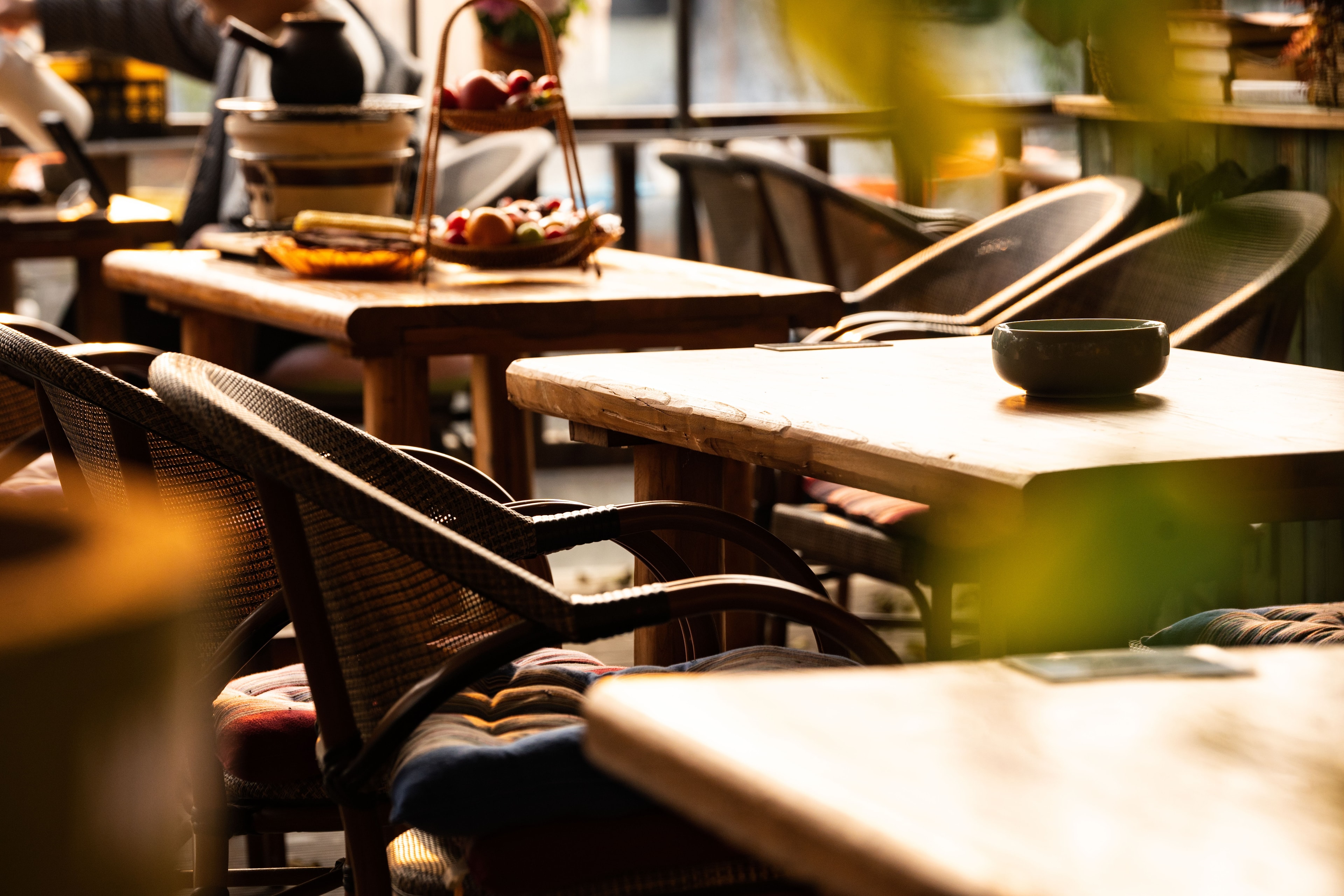
Hangzhou is different. Here, the canal still runs through working neighbourhoods. Old stone bridges arch over barges carrying construction materials. Restaurants serve meals in buildings that have looked out over this water for a hundred years.
The key to understanding Hangzhou's canal is that it wasn't preserved like a museum — it was simply never abandoned. The city grew around it, and the canal became embedded in daily life in a way that restoration projects elsewhere can't replicate.
This is what makes the Hangzhou stretch of the Grand Canal worth experiencing specifically — not to see history frozen in time, but to see history still in motion.
The Best Spots Along Hangzhou's Grand Canal
Knowing where to go makes the difference between a generic canal walk and something genuinely memorable.
Xiaohe Historic Cultural District (小河直街) is the most atmospheric stretch of the canal. The street sits at the confluence of three rivers — the Grand Canal, Xiaohe, and Yuhang Tang River — and runs about a kilometre through a carefully restored district of Qing Dynasty and early Republic-era buildings: white walls, black tiles, the classic Jiangnan water town aesthetic. Today it's a mix of heritage architecture, independent cafes, tea houses, specialty restaurants, and antique shops. It's polished and popular — especially on weekends — but the setting along the water and the quality of the restoration make it genuinely worth the visit. Come in the early evening when the canal-side lighting comes on and the restaurants fill up.
Gongchen Bridge (拱宸桥) is the landmark most associated with Hangzhou's Grand Canal. Built in the Ming Dynasty, it's the largest ancient bridge on the canal in the Hangzhou section — and the view from its apex, looking north along the water, is the kind of image that makes you understand why this city was once called "Heaven on Earth." Early morning, before the tour groups arrive, is when it's at its best.
The Grand Canal Museum sits near the Gongchen Bridge and offers the best historical context of any canal museum we've encountered — though context is best absorbed before walking the streets, not after.
Qiaoxi Historic Cultural District (桥西历史文化街区) on the west bank of the canal near Gongchen Bridge comes alive in the evening — a restored historic street with restaurants, bars and canal-side atmosphere that draws both locals and visitors after dark.
Our Artery of Empires tour covers the Grand Canal's 2,500-year history with stops at the sections most visitors don't know exist — including Xiaohe Street and the canal's working neighbourhoods that aren't in any guidebook.
Grand Canal vs West Lake: Two Sides of Hangzhou
Most visitors to Hangzhou focus entirely on West Lake — and while West Lake is genuinely beautiful, it's a natural landscape. The Grand Canal is something else: it's a human achievement embedded in a living city.
West Lake shows you why Hangzhou is beautiful. The Grand Canal shows you why Hangzhou matters.
If you have 3–4 days in Hangzhou, you can do both — West Lake in the morning for its serenity, the canal in the late afternoon and evening when the neighbourhood comes alive. They're a 20-minute taxi ride apart, and they tell completely different stories about the same city.
If you only have one day, the canal is the less obvious choice but the more rewarding one. It's where you encounter Hangzhou as a city rather than Hangzhou as a postcard.
How to Experience the Grand Canal in Hangzhou
Getting there: Metro Line 5 to Gongchen Bridge East Station (拱宸桥东站) is the easiest option — the bridge is a short walk from the exit. Alternatively, take Water Bus Line 1 (¥3) from Wulinmen Dock (武林门码头) on Huancheng North Road — a scenic 30-minute ride along the canal itself, north to Gongchen Bridge. The water bus is how locals commute; arriving by water is also the most atmospheric way to approach the canal district.
Suggested walking route (3–4 hours):
- Start at Gongchen Bridge — cross it and take the view north along the water. Late afternoon light is best here.
- Visit the Grand Canal Museum nearby for historical context before exploring the neighbourhood.
- Walk the west bank south to Qiaoxi Historic Cultural District — canal-side restaurants, bars, and heritage buildings that come alive in the evening.
- Head north to Xiaohe Historic Cultural District (小河直街) — about 30 minutes on foot from Gongchen Bridge along the canal bank. This is the most atmospheric stretch: restored Qing Dynasty buildings now housing cafes, tea houses, and independent shops, with a neighbourhood pace that hasn't changed much in decades.
What's free: Walking Gongchen Bridge, exploring Xiaohe Street, and following the canal banks cost nothing — the entire neighbourhood is public space. Canal boat tours (departing from Wulinmen Dock) are ticketed for those who want to see the waterway from the water.
Best time to visit: Late afternoon into evening. The canal neighbourhood comes alive after 4pm — residents return home, vendors set up, the light turns golden over the water. Aim to arrive at Gongchen Bridge around 4–5pm, walk toward Xiaohe Street as dusk falls, and have dinner at a canal-side restaurant as the evening lights come on.
Best seasons: Spring (March–May) and autumn (September–November). Summer is hot and humid but the evening canal walks are still pleasant. Winter brings a quiet, misty atmosphere that suits the canal's character.
Do it with a guide: The canal's most interesting stories are invisible without local knowledge — the old merchant guilds, the specific buildings that survived demolition, the neighbourhood dynamics that make this stretch different from the restored canal towns elsewhere in Jiangnan. Our Artery of Empires small-group tour is built around these stories, with stops most independent visitors never find.
Frequently Asked Questions
Explore More
The Artery of Empires — Grand Canal Tour
Small-group guided tour of Hangzhou's Grand Canal with a local expert
Top 10 Things to Do in Hangzhou
Complete guide to Hangzhou's best experiences
All Guided Tours
Browse all Brivience small-group Hangzhou tours
North Peak Hiking Guide
Self-guided hike with GPX navigation above West Lake